In the moment your car is broken into or damaged, calling your insurance company can feel automatic. After all, insurance is there to protect you. But in today’s volatile California insurance market, that decision is no longer so straightforward.
In a recent ABC 10 Sacramento segment, an insurance expert explained how even minor claims can affect your long-term insurability and premiums as insurers tighten underwriting and reduce exposure across the state.
The key takeaway for 2024 is simple but critical: not every loss is worth filing a claim for. Understanding when to involve your insurer — and when not to — can protect both your finances and your future access to coverage.
When a Break-In Becomes a Comprehensive Auto Claim
If someone breaks into your car by shattering a window or damaging a door, the resulting damage is considered a comprehensive claim, not a collision claim.
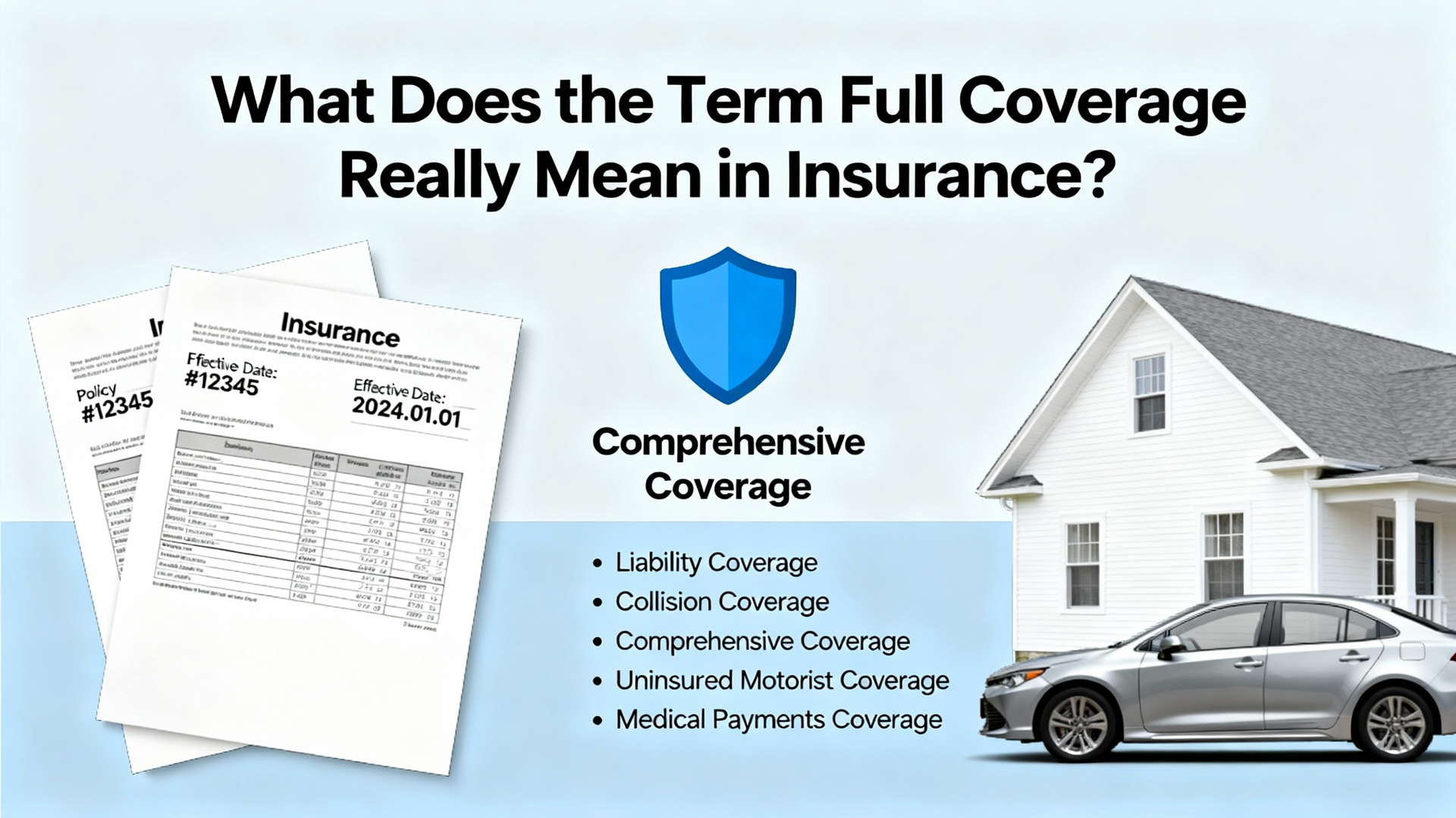
Comprehensive coverage applies when your vehicle is damaged by something other than a crash, including:
- Theft or vandalism
- Fire or flood
- Falling objects
- Animal-related damage
As the expert explained, break-ins fall under “damage to your vehicle while not in motion.”
In California, comprehensive claims for incidents like vandalism or break-ins are generally not chargeable. This means your insurer cannot raise your rates solely because you filed this type of claim. The protection comes from California’s strict consumer regulations that distinguish between at-fault and not-at-fault losses.
If your vehicle itself is damaged during a break-in, you can usually file a claim without facing an immediate premium increase.
However, the situation changes when personal property is involved.
Personal Property Theft Is Usually a Homeowners or Renters Claim
Auto insurance typically covers damage to the vehicle — not the belongings inside it. If items like a laptop, purse, gym bag, or dry cleaning are stolen from your car, those losses usually fall under your homeowners or renters insurance.
Most property policies include coverage for “personal property away from home.” But unlike comprehensive auto claims, these claims are usually chargeable.
According to the insurance expert, stolen personal property from a vehicle often leads to a homeowners or renters claim and can result in future premium increases or underwriting scrutiny.
In practical terms:
- Vehicle damage is handled by auto insurance and is usually non-chargeable.
- Stolen personal items are handled by property insurance and may increase your rates.
Why Insurers Are Watching Claims More Closely Than Ever
The old advice used to be simple: if you have a claim, file it. That guidance no longer fits today’s insurance environment.
California’s market has been reshaped by wildfire losses, inflation, rising reinsurance costs, and insurer withdrawals. As a result, carriers are closely monitoring policyholders for both loss severity and claim frequency.
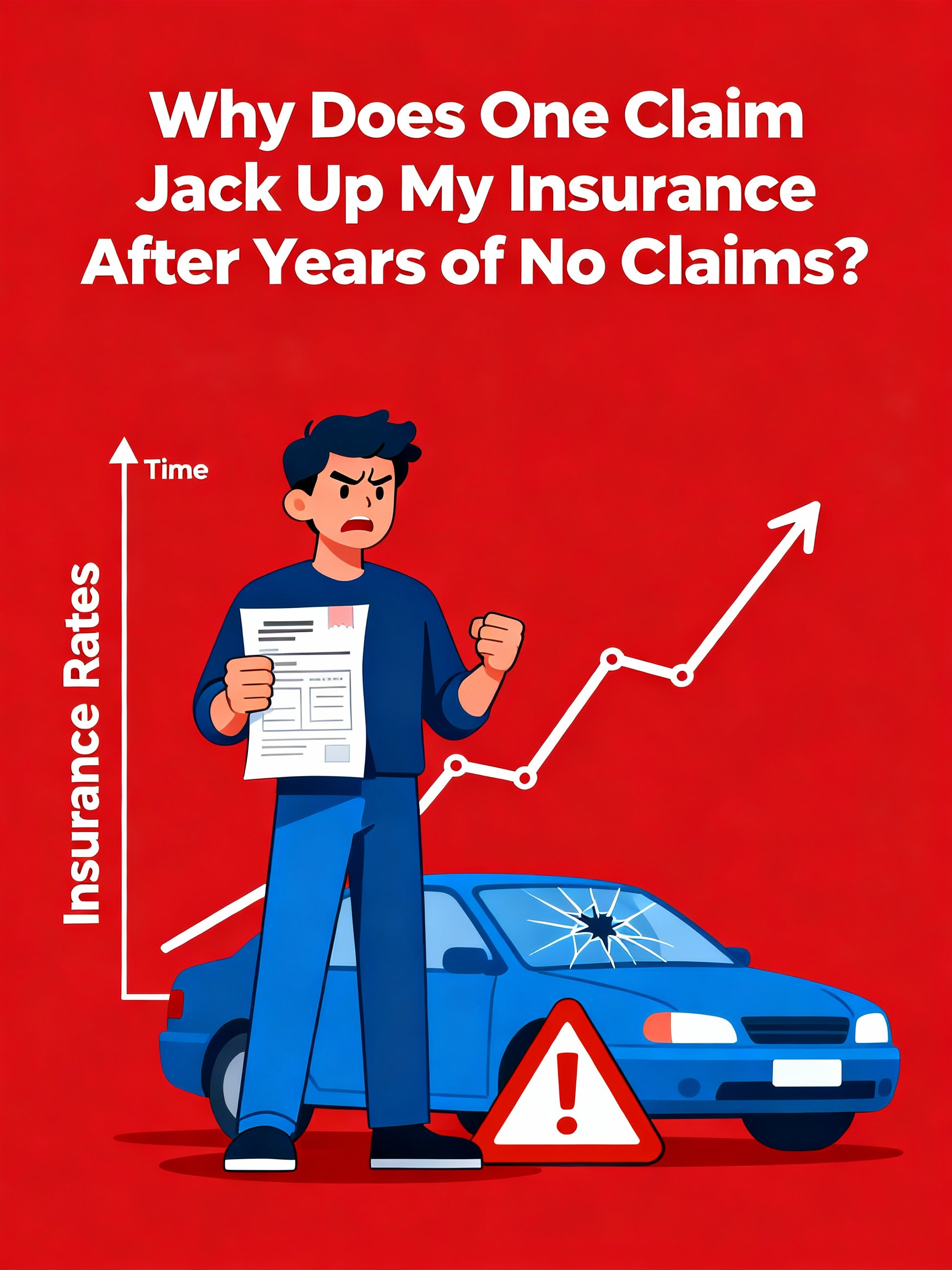
Insurers are now reducing exposure by tightening underwriting guidelines, limiting new policies, and non-renewing higher-risk accounts. Even multiple small claims can signal elevated risk.
A driver or homeowner with frequent low-dollar claims may be viewed as a higher-risk policyholder, even when none of the losses were their fault.
When It’s Better Not to File a Claim
The expert offered advice that may feel counterintuitive: if the loss is something you can reasonably absorb, it may be better not to file a claim at all.
Before filing, consider these questions:
- How does the loss compare to your deductible? If your deductible is $1,000 and the repair costs $1,200, the claim payout may not justify adding a claim to your history.
- Is this the type of loss that could happen again? Multiple small claims can trigger underwriting reviews.
- Can you afford the repair out of pocket? Paying for one-time minor losses can protect your long-term insurability.
- Is the claim chargeable? Comprehensive claims typically are not; property and liability claims often are.
Using insurance strategically means balancing short-term reimbursement against long-term access to affordable coverage.
How to Protect Yourself Before You Ever Need a Claim
You can reduce both your risk of loss and the likelihood of insurance complications with a few proactive steps.
Prevent vehicle break-ins by avoiding visible valuables, parking in well-lit or secure areas, and using dash cams or vehicle security systems.
Review your coverage annually to ensure your deductibles, limits, and endorsements still match your financial situation.
Ask about multi-policy bundles for potential discounts and added stability — but remember that claim activity on either policy can affect both.
Work with an independent broker who understands California’s changing insurance market and can guide you on coverage decisions and claims strategy.
California’s Unique Insurance Claims Landscape
California operates under one of the strictest insurance regulatory frameworks in the country. Proposition 103 requires insurers to justify rate increases to the Department of Insurance and limits how certain claims can affect pricing.
Under these rules:
- Insurers cannot penalize drivers for many not-at-fault or comprehensive claims.
- Rate filings must be publicly justified.
- Loss data submitted by insurers is subject to oversight.
These consumer protections are important, but they also make the market less flexible. As catastrophe losses and operating costs rise, many insurers respond by tightening claims scrutiny and restricting new business.
This is why policyholders must now think more strategically before filing any claim.
The Bigger Picture: Claims and Long-Term Coverage Stability
What starts as a simple car break-in reflects a much larger issue: the growing fragility of California’s insurance ecosystem.
Insurers today are not only evaluating individual losses — they are reassessing customer profiles and long-term risk behavior. A single small claim may not matter, but patterns do.
For consumers, that means a $700 theft claim or a small property loss must be weighed against its potential impact on future renewals, pricing, and even availability of coverage.
Protecting your insurability is now just as important as protecting your car or your home.
Final Thoughts: Smart Coverage, Smarter Decisions
If your vehicle is broken into, remember:
- Damage to the car itself is a comprehensive auto claim and is usually not chargeable in California.
- Stolen personal items are a homeowners or renters claim and may affect future rates.
Beyond that, always consider the broader context. In today’s tightening insurance market, every claim becomes part of a larger underwriting equation that influences your access to coverage.
Insurance still exists to protect you — but using it wisely has become just as important as having it in the first place.
If a loss is something you can reasonably absorb, you may be better off preserving your claims history and protecting the long-term stability of your coverage.